

Active Shooter Preparedness: A Strategic Imperative
In today’s operational landscape, organizational security extends beyond physical infrastructure; it encompasses the preparedness of every individual within the organization. Active shooter incidents, though statistically rare, carry catastrophic consequences if unaddressed (Federal Bureau of Investigation [FBI], 2024). Organizations that fail to implement comprehensive training expose both their personnel and operations to significant risk.
Active shooter training equips all team members with structured protocols to respond decisively during high-stress events. Rapid decision-making, whether to evacuate, conceal, or take defensive action, can be the determining factor between survival and tragedy (U.S. Department of Homeland Security [DHS], n.d.). Through scenario-based drills, communication exercises, and role-specific guidance, team members gain practical skills that enable them to act quickly and confidently under pressure (ALICE Training Institute, 2023).
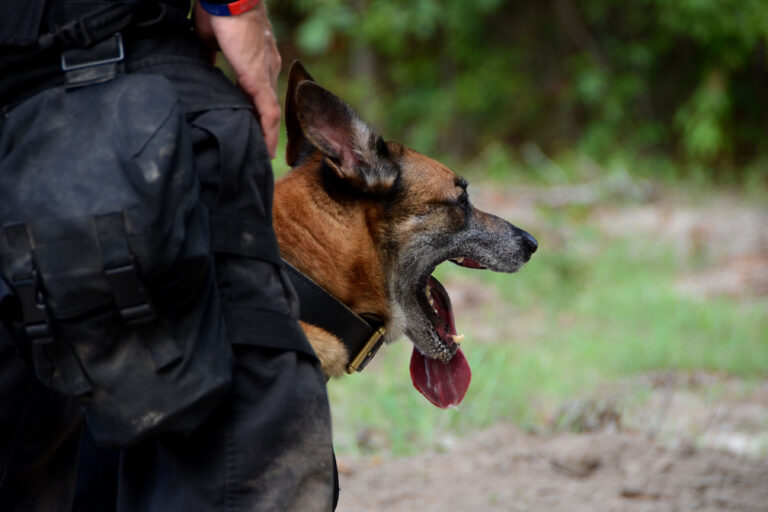
In today’s operational landscape, organizational security extends beyond physical infrastructure; it encompasses the preparedness of every individual within the organization. Active shooter incidents, though statistically rare, carry catastrophic consequences if unaddressed (Federal Bureau of Investigation [FBI], 2024). Organizations that fail to implement comprehensive training expose both their personnel and operations to significant risk.
Active shooter training equips all team members with structured protocols to respond decisively during high-stress events. Rapid decision-making, whether to evacuate, conceal, or take defensive action, can be the determining factor between survival and tragedy (U.S. Department of Homeland Security [DHS], n.d.). Through scenario-based drills, communication exercises, and role-specific guidance, team members gain practical skills that enable them to act quickly and confidently under pressure (ALICE Training Institute, 2023).
In today’s operational landscape, organizational security extends beyond physical infrastructure; it encompasses the preparedness of every individual within the organization. Active shooter incidents, though statistically rare, carry catastrophic consequences if unaddressed (Federal Bureau of Investigation [FBI], 2024). Organizations that fail to implement comprehensive training expose both their personnel and operations to significant risk.
Active shooter training equips all team members with structured protocols to respond decisively during high-stress events. Rapid decision-making, whether to evacuate, conceal, or take defensive action, can be the determining factor between survival and tragedy (U.S. Department of Homeland Security [DHS], n.d.). Through scenario-based drills, communication exercises, and role-specific guidance, team members gain practical skills that enable them to act quickly and confidently under pressure (ALICE Training Institute, 2023).
Beyond immediate safety, active shooter training strengthens organizational resilience. It fosters a culture of preparedness, where team members understand both their individual responsibilities and the collective protocols that safeguard the organization as a whole. This proactive approach mitigates liability, supports regulatory compliance, and enhances operational continuity in the event of a crisis (DHS, n.d.; Traliant, 2024).

Leaders play a crucial role in cultivating a culture of preparedness. By prioritizing active shooter training, executives affirm their commitment to workforce safety, reinforce organizational values, and signal to stakeholders that risk management is a top priority (Traliant, 2024). Moreover, consistent training programs demonstrate a forward-looking, responsible approach to safeguarding people, assets, and reputation.
In essence, preparedness is not merely a protective measure; it is a strategic investment in the long-term stability, resilience, and credibility of the enterprise. Organizations that proactively train their team for active shooter scenarios position themselves to respond effectively, preserve life, and maintain operational integrity under the most challenging circumstances (FBI, 2024; DHS, n.d.).
Leaders play a crucial role in cultivating a culture of preparedness. By prioritizing active shooter training, executives affirm their commitment to workforce safety, reinforce organizational values, and signal to stakeholders that risk management is a top priority (Traliant, 2024). Moreover, consistent training programs demonstrate a forward-looking, responsible approach to safeguarding people, assets, and reputation.
In essence, preparedness is not merely a protective measure; it is a strategic investment in the long-term stability, resilience, and credibility of the enterprise. Organizations that proactively train their team for active shooter scenarios position themselves to respond effectively, preserve life, and maintain operational integrity under the most challenging circumstances (FBI, 2024; DHS, n.d.).
Conclusion
Preparedness cannot be an afterthought; it is a leadership responsibility. By embedding active shooter training into organizational culture, executives not only protect lives but also strengthen trust, morale, and operational resilience. In an unpredictable world, those who train and prepare are the ones who endure. Safety is not optional; it is essential (ALICE Training Institute, 2023).
Additional References
Author: Michael Morgan, Ph.D. CPP. PCI. PSP. C/OSINT
Teachout Security Solutions Corporate Manager