

The State of Security and Civil Unrest in the US Today
Security and Civil Unrest in the United States
Introduction
The landscape of civil unrest in the United States has evolved significantly over the past few decades, influenced by various social, economic, and political factors. Understanding the historical context of civil unrest and its security implications is crucial with the upcoming national elections. This paper outlines the historical roots of civil unrest, examines the current climate as the nation approaches the 2024 elections, and provides policy recommendations relevant to private industry and security companies.
Historical Context
Civil unrest in the United States has deep historical roots, often reflecting the socio-political climate of the time. Key periods of unrest have included:
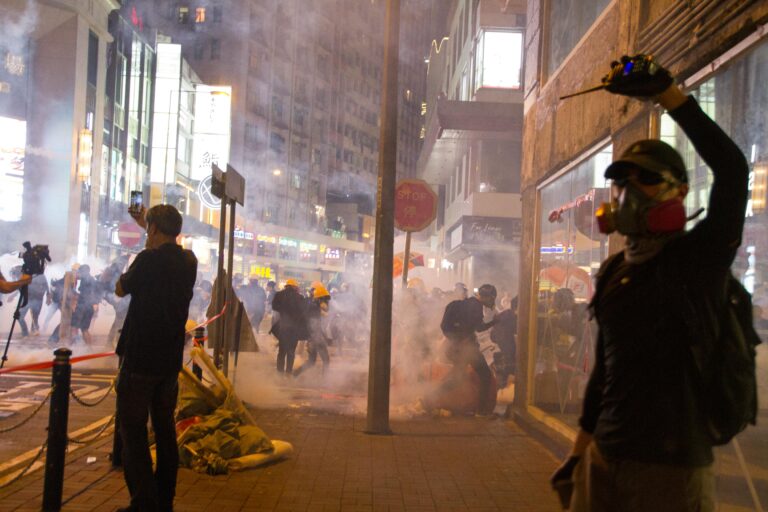
1. The “Occupy Wall Street” protest was a social movement against economic inequality, corporate greed, big finance, and the influence of “big money” in politics that began in New York City’s Financial District and lasted for fifty-nine days—from September 17 to November 15, 2011.
2. The Black Lives Matter protest is one of the costliest examples of civil unrest in the United States. According to a recent report, the civil unrest in the summer of 2020 following the murder of George Floyd cost insurers around $2 billion, making the last week of May and the first week of June 2020 the most expensive civil unrest incident in U.S. history. There were also twenty-five deaths were also associated with the Black Lives Matter protest.
3. Recent tensions have escalated due to international conflicts, such as the Israeli-Hamas war. Events in the Middle East often reverberate in the U.S., prompting protests both for and against various sides, raising issues related to foreign policy, immigration, and community relations. These protests can lead to significant unrest, particularly in urban areas with diverse populations.
Current Climate & Upcoming Elections
Political Polarization:
- The U.S. is experiencing intense political divides, with partisan rhetoric escalating tensions. Misinformation and conspiracy theories regarding electoral integrity are prevalent, creating an environment ripe for unrest.
Social Justice Movements:
- Issues surrounding racial equity, economic disparity, and police reform remain focal points of activism. The ramifications of international events, such as the Israeli-Hamas conflict can also instigate protests and civil unrest.
Economic Factors:
- Inflation and economic inequality exacerbate social tensions. As citizens face rising living costs, dissatisfaction with the economy may manifest in protests or civil disobedience.
Law Enforcement and Militarization:
- The relationship between law enforcement and communities has been scrutinized. Militarized policing tactics employed during protests have drawn criticism, leading to calls for reform.
Policy Recommendations for Private Industry & Secrity Providers
To mitigate potential civil unrest and enhance security, private industry and private security companies can adopt the following policy recommendations:
1. Risk Assessment and Planning:
Develop comprehensive risk assessment frameworks that analyze potential unrest triggers in local communities. Security companies should create tailored response plans that address specific threats and coordinate with local law enforcement.
2. Community Engagement Programs:
Establish community outreach initiatives to foster dialogue between security personnel and residents. Building relationships can enhance trust and help in gathering intelligence on potential unrest.
3. Training on De-escalation Techniques:
Invest in training programs for security personnel focused on conflict resolution and de-escalation techniques. Equipping staff with these skills can help prevent situations from escalating into violence.
4. Monitoring & Intelligence Sharing:
Implement systems for real-time social media and public sentiment monitoring to identify early warning signs of unrest. Collaborating with local authorities to share intelligence can enhance proactive responses.
5. Corporate Responsibility Initiatives:
Encourage businesses to adopt corporate social responsibility practices that address underlying social issues contributing to unrest. Supporting local communities through job creation, education, and resources can help mitigate tensions.
Conclusion
Understanding the historical context of civil unrest is essential as the U.S. prepares for the 2024 elections. Political polarization, social justice movements, economic conditions, and law enforcement practices create a complex environment. By implementing proactive policy measures, private industry, and security companies can contribute to reducing the risk of civil unrest, ensuring a more secure and stable society as the nation moves forward.
Author: Michael Morgan MA. CPP. CPI. Doctoral Candidate
Teachout Security Solutions Corporate Compliance and Training Manager